

3 Plants Perfect for Natural Pest Control
Every year I try to reduce the need for pesticides on the farm and mimic the ways of nature. And each year, as I spend time observing the natural world I learn a bit more.
But I do find that I keep coming back to these 3 plants, over and over again.
(I’m farming in hot humid zone 7b in South Carolina but these plants have a wide range of hardiness and all of them could be grown as annuals if they won’t perennialize in your zone. )
These first two are for creating beneficial environments. Creating an environment for beneficials to breed is an important step to creating your own natural pest control system.
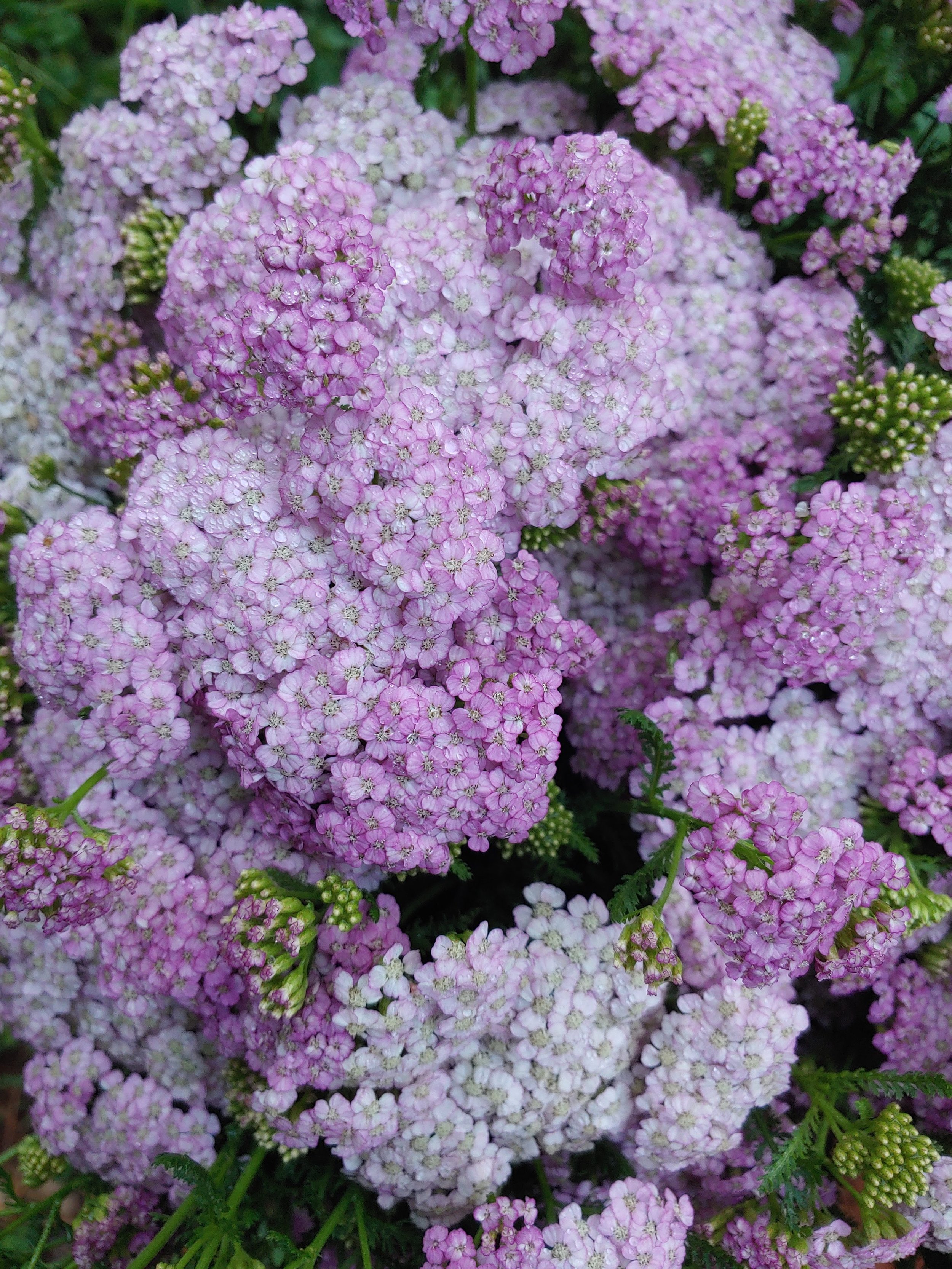
1. Yarrow- First off- it’s gorgeous and so romantic looking. It makes a fantastic cut flower and blooms in the “awkward gap” -that time when your spring stuff is done but summer blooms aren’t here yet. With an average hardiness zone from 3-9 (always check your individual variety first), yarrow will find a place in most gardens. Drought tolerant and it stays green all winter (at least in warmer climates). Can be easily started from seed or bought as a mature plant. Propagate by divisions every few years to keep it blooming more profusely. What’s not to like?
But why do we care about it for natural pest control?
- Yarrow is a first year flowering perennial so we get the pollinator attracting benefits from the flowers without having to wait. It’s also an umbellifer which means it has loads of small flowers to make up the main flowering head— therefore more sources of pollen unlike lots of flowers with only one center per flowering head. (Also if you use yarrow for cutting, you have to wait until the plant is fairly mature so you’ll still get some pollinator benefit before cutting.)
- Yarrow has a decent amount of plant mass at it’s base and stays evergreen so it makes a great home for overwintering beneficials— ladybugs often lay their eggs in the foliage. It attracts predatory wasps and hoverflies too.
How I’m using it on my farm:
- I have a large row of “cutting” yarrow but I’ve begun adding a plant or two here and there around crops who often have pest problems. Yarrow also comes in short versions- I’m beginning to use these more when I need the plant for pest control because they are very easy to tuck in small spaces.

2. Alyssum or Sweet Alyssum- Alyssum is a low growing plant often used as a ground cover and it has the most delicious golden honey scent when blooming. It comes in loads of beautiful colors- pinks, peaches, yellow, white, purple. Often used as a beautiful multi-colored carpet style planting. Grows in full sun or part shade— does a bit better with a touch of shade in hot weather climates. If you don’t have shade, it may go a bit dormant in hot weather and wait until it cools off to bloom. Easily grown from seed- transplant or direct seed. Self seeds well - doesn’t spread too far but can self perpetuate itself. I’ve had best success with direct seeding in the fall in my climate. Hardiness zone 5-9.

Natural Pest Control Uses—
- the low growing plant habit provides breeding environments for beneficials such as parasitic wasps. These are minute wasps that don’t sting. Alyssum also produces a lot of nectar so will draw in loads of pollinating insects.
How I’m using it on my farm:
- I began planting it underneath my sweet peas. I was looking for an early flowering plant to draw in beneficials to eat the aphids that always show up on my sweet peas. I saw some improvement the first year but discovered I needed more than a few plants. So I now I used it as a carpet beneath vining plants.
- I also use it inside my foliage tunnel. Since the majority of crops in that tunnel are grown for foliage and rarely bloom, I discovered the population of good to bad insects was out of balance. So I began interplanting alyssum to add a flowering element to the tunnel. I’m also adding a short variety of yarrow this year for the same purpose. These should attract more beneficial insects to the foliage tunnel.

Sweet Alyssum growing at the base of Jasmine
3. Garlic Chives- These make a great cut flower and are one of the most dependable later summer perennials. Easy to grow from seed. Will self multiply from self seeding or you can divide after a year or two. I’ve started just keeping a “bank” of these that I divide whenever I need to interplant with a pest prone crop. These have been a longstanding go to on my farm for natural pest control. Hardiness zones 3 to 9.

Natural Pest Control Uses—
-They attract aphids like nothing you’ve seen! Alliums of all types are good for pulling aphids away from your desired plant and onto the allium. However, a lot of alliums produce the green leaf portion of the plant and then go dormant and disappear as soon as flowering happens. Garlic chives stay green all during the frost free part of your season. They will go dormant during the winter in zone 7b and colder.
How I’m using them on my farm:
- I began using Garlic Chives as a trap crop for aphids when I grew roses as a cut flower crop. (But that was years ago). These days, I have them interplanted among my ranunculus to see if they’ll help control the aphids this spring. I also plan to spread them throughout the farm this year- some interplanted among aphid prone crops and some just on the farm edges. They will create more “banks” of natural pest control that I can use as needed.

There are loads of good plants to aid in natural pest control but these are 3 of my favorites and my constant go-to’s! What plants do you use for natural pest control?
Best Dahlias to Plant for Continuous Bloom in Your Garden
A few weeks ago a reader asked “What dahlias can I plant so I can have continuous bloom in my garden throughout the whole dahlia season?”
What a fantastic question! And to be honest, I thought it would be a quick to answer type of question, but then I really got to thinking about it and realized it was going to take a bit of calculation. So I turned to my trusty spreadsheets and began pulling data.
I kept careful records of what weeks I planted certain varieties this year. Then I took pictures when the first bloom opened. So I was able to pull the days to bloom from that information. (And it took awhile for 100+ varieties)
So here’s what I would plant for a continuous bloom in your dahlia cutting garden.
(Fine print: I’m zone 7b, South Carolina. Hot and humid climate, heavy clay soil- best dahlia blooms come from Sept to mid October. All the days to bloom have been rounded to the nearest 5. I don’t record the exact planting date or the exact first bloom date. From years of experience I’ve learned that days to bloom (DTB) varies each year due to varying growing conditions. But if you get the week you planted and the week it bloomed, you can get an average that you can use.)
Early Bloomers (60-80 DTB) : Peaches N Cream, Creighton Honey, Linda’s Baby, Mingus Toni, Mystique, Blizzard, Cornel Bronze, Brown Sugar
(pictured l to r)


Avg 60 DTB = Mingus Toni, Mystique
AVG 70 DTB = Creighton Honey, Peaches N Cream
AVG 80 DTB= Linda’s Baby, Blizzard, Cornel Bronze, Brown Sugar
Mid Season Bloomers (85-110 DTB): Bridezilla, Miss Amara, Hapet Champagne, Sonic Bloom, Wine Eyed Jill, Brookside Cheri, Cafe Au Lait, Hollyhill Black Beauty (pictured l to r)


AVG 90 DTB = Bridezilla
AVG 95 DTB = Miss Amara
AVG 100 DTB = Hapet Champagne, Sonic Bloom, Wine Eyed Jill, Hollyhill Black Beauty
AVG 105 DTB = Brookside Cheri
AVG 110 DTB = Cafe Au Lait
Late Season Bloomers (115+ DTB): Southern Belle, Renato Tozio, Hamilton Lillian, Fiona, Marionberry Milkshake, Hapet Perfekt, Dreamcatcher, Bubbling Over (Pictured l to r)


AVG 115 DTB = Renato Tozio
AVG 120 DTB = Bubbling Over, Dreamcatcher, Hamilton Lillian
AVG 130 DTB = Southern Belle, Fiona, Marionberry Milkshake, Hapet Perfekt
I do want to add a caveat here: It was a very hot dry summer which definitely had an effect on days to bloom. I know this because we succession planted a few varieties and saw some significant variation in their bloom times and it correlates to the weather patterns when they were planted and establishing. Also some of the above varieties were first timers in my garden— I like to have a variety for 3 years before I say definitively what it’s characteristics are. But I included some of the first timers here for added variety.
Please keep all these things in mind. Your climate will play a crucial role in the actual days to bloom. Also if a variety is new to you and you don’t know how long it’s gonna take to bloom- assume this: Most likely it will be a mid season bloomer because this is where most dahlias fall - in the 90-110 DTB range. Also the larger the bloom, the more time it takes (as a general rule).
I hope this helps you plan your dahlia garden for next year! Planning what new varieties I’m going to grow is one of my favorite parts about winter!!

The Value of Doing Your Own Research
I’ve had this topic mulling around in my head for awhile but yesterday after having 2 conversations with other farmers (who grow in climates similar to mine) about what works for them and vice versa— Well it’s time to tackle this!
Researching how to fix things, how to do things has been a big part of former careers in my life. I’m a very self taught person— and I bet a lot of you are too. But if you are new to growing or figuring it out yourself doesn’t come naturally, I thought I’d share a few tips on how I research.
Research tips and tricks:
1. The old Google- you can always just type it in the search bar. But sometimes you don’t get the results you want. For example, if you want to know how to grow something- try this instead: “Flower Name Culture sheet” —So “Lisianthus Corelli Light Pink Culture Sheet” This phrase will bring up information from the breeder/producer of the seed. And usually you will get very detailed info because it’s coming from the people who are striving for optimum results so they can produce good seed. It’s also in their best interests for you to be successful so you buy more seeds.
2. Use Social Media as a search engine. Use the search bar on Facebook- you’ll find lots of groups- it’s the modern day forum. Remember to take first hand accounts lightly— always filter them through your growing zone. Instagram reels/videos can show you a lot of real world examples how people are growing crops innovatively. I like to find a hashtag on a crop and see if I can find a large scale producer. It’s interesting to see what they do to increase their efficiency.
3. Go back to the beginning- A few years ago I heard a talk about woody crops- I’d actually heard the same speaker give this talk multiple times. But this time- I heard it. My grower knowledge was at the maturity point for me to absorb it. Often times, we aren’t quite ready for something and it takes some real world experience for it to sink in. Don’t dismiss something just because you’ve heard it before.
4. Follow the rabbit trails- Click a link and another link and so on. Sometimes you gotta dig deep or latch on to a phrase/concept and investigate it further to find the information you need. Go on back to the second and third page of Google. There’s good stuff there- it’s just didn’t make it to page one more likely because the author didn’t know how to optimize their info to show up higher in search results. Doesn’t make the info any less valuable.
5. Join professional organizations- Association of Specialty Cut Flower Growers (ASCFG) is the best there is for cut flowers. The wealth of information on their website and in their growers minds is worth many times what a subscription will cost you.
6. Ask others- I highly value figuring it out myself but sometimes, you gotta ask for help. But make sure you are well researched first. Don’t ask out of laziness- that’s a pet peeve of mine. Growers who would rather someone just tell them instead of figuring it out themselves. You only cheat yourself if you don’t research your own answers.
7. Conduct your own trials and tests- Testing different crops, dahlia varieties, climate extension trials, etc. These are some of the reasons I’m still growing. I gotta admit- testing ideas and pushing the envelope are one of my favorite parts of farming.
I’ve never talked much about my ranunculus crop of 2020 (there were slightly more important things going on). But it was simultaneously the best and worst crop I’ve ever had. I had several things happen in my life outside the farm in fall of 2019 that threw me for a loop and distracted me from farming. The result was some majorly late planted crops, coupled with some flooding rains all winter and well— Let’s just say that crop was not so hot. But! I learned so much through all the mistakes and climate issues I had to deal with that year. I saw what was really possible with ranunculus- where you could push it and what was too much. So the learning experience made it one of my best crops ever. Fortunately no one really noticed all that much, way more important things going on.
This was an accidental trial/test but it was still sooo helpful. Each year, I try to see how I can push the boundaries of a crop or my climate- You learn so much! Don’t be afraid to test things— make it a regular part of your growing season. That first hand experience is worth way more than anything you’ll read or hear second hand.
Just a few things I’ve picked up along the way. Doing your own research yields so many wonderful results. It’s extremely fulfilling!
My Favorite White Dahlias for Hot Climates
Whenever a new flower farmer asks me what they should grow- I always say- “Grow white.” You can never have too many white flowers. And I must admit, I really like a white dahlia. There’s just something about a pure clean perfect white dahlia- velvet like petals, a bit of sparkly dahlia glitter!
I’ve grown a lot of white varieties over the years to find the ones that really produce here in my hot climate and I’d like to share some with you.

Blizzard
Blizzard- You probably knew I was going to say this one. She’s been gaining in popularity for years now. Highly prolific, strong stems, good tuber maker (easy to divide too)- perfect size for all types of design work. What’s not to like? Aptly named- If you look down a row of Blizzard blooms, it really does look like a bunch of snowballs on sticks!

Ryecroft Jan
Ryecroft Jan- the ubiquitous white ball dahlia. You can never go wrong with a white ball dahlia- it’s a perennial favorite among my florist customers. Tallish plant, very strong stems, 3ish inches in diameter (larger in cooler climates I believe) and reasonable tuber maker- they store well.
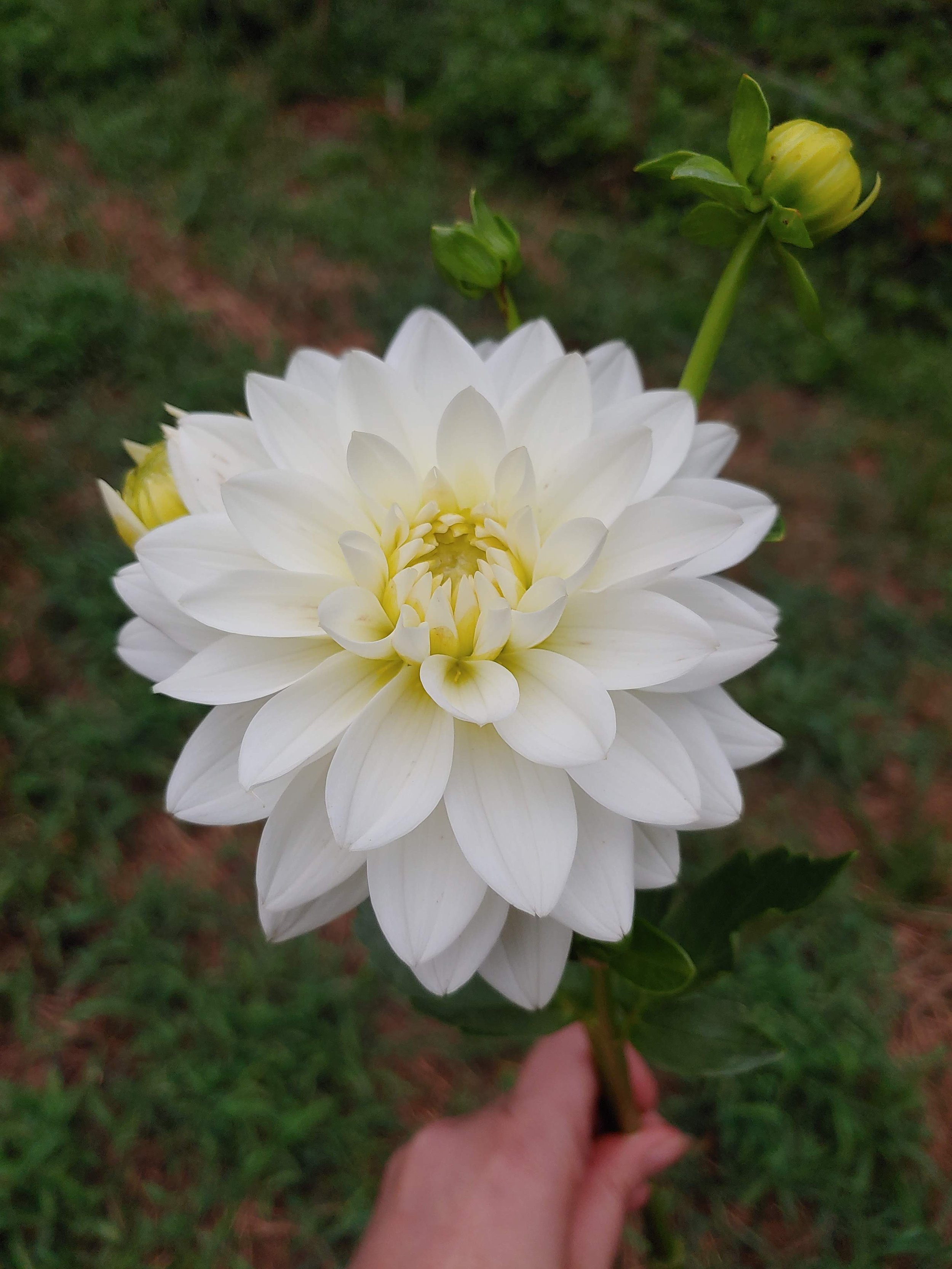
Karma Maarten de Zwaan
Karma Maarten De Zwaan- probably the most prolific decorative white dahlia that I know of! I get 3 strong flushes off this one in my climate (which does have a long growing season). The first flush can be a touch shorter than I like but I’ve learned to cut very deep into the plant. Then she’ll re-flush with taller stems. Strong but not thick stems- perfect for design work. Also the side buds will produce a decent sized flower if you miss the harvest window on the first bloom.
Her only downside is she’s a Karma. Karma dahlias were created a while back specifically for cut flower use and were patented. The patent doesn’t expire until 2026. This means you can’t propagate off your stock or resell it. I’ve been buying cuttings for years now - they work great! They are also available as clumps from tuber wholesalers and some re-sellers online.

Bridezilla
Bridezilla- I think this beauty was named to soothe bridezillas everywhere. There is nothing diva-ish about her. She’s white with a creamy center. In late season, if you let her really open up- the blooms become fluffy and peony like. She’s gorgeous! Medium height plant, 4-6” bloom, Good for a focal flower in design work.

Beaucon White
Beaucon White- She’s my favorite decorative style dahlia. Big enough to draw attention without being over-bearing. Lots of fluffy gorgeous layers to get lost in. Pretty much every brides dream white dahlia. Medium height plant, reasonably prolific for a larger bloom, great vase life!
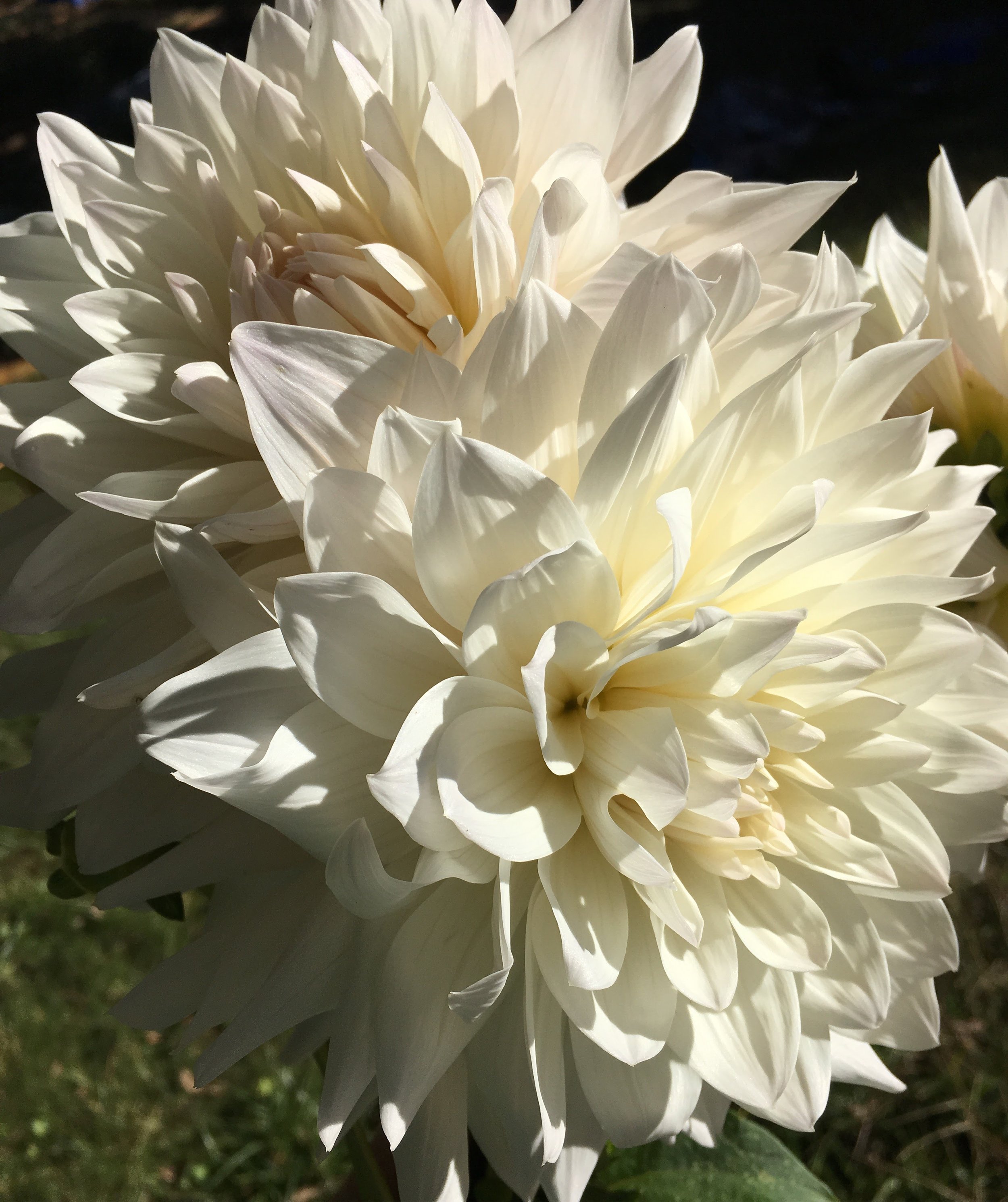
Roque Starburst
Roque Starburst- I’ll give an honorable mention to this one. She’s fantastic, sadly I don’t have much need for lots of large dinnerplate sized white dahlias. But if you do- give her a try. She can have a slight blush in the center sometimes. Tall plant with strong stems and good vase life - especially for a dinnerplate.
If you are growing for cut flower production, I recommend growing a lot of the first 3- Blizzard, Ryecroft Jan and Karma Maarten De Zwaan. Those will serve you well. Then add in some Beaucon white and maybe a few Roque Starburst. You’ll have enough fluffy white dahlias to satisfy any bride!
Love posts like this? Sign up for the Dahlia Lovers Newsletter to be the first to know when we publish a new blog!
2022 Trial Results- Part 2: Good But Not For Me
Today we are continuing on with the 2022 trial results. I’ve grown so many varieties in the past 2 years that I’ve had to make some hard choices on what to keep. So today’s post is all about dahlias that are good but just aren’t for me- for various reasons as you will see!
****Remember you may love a lot of these dahlias and it’s not that I don’t like them — it’s just I can’t keep them all so I thought it might be interesting to some to see what I don’t like and why I’m not keeping it. Everybody has different goals with their dahlia growing. We are 95% a cut flower production farm with a side of dahlias that I keep in my “personal collection.”
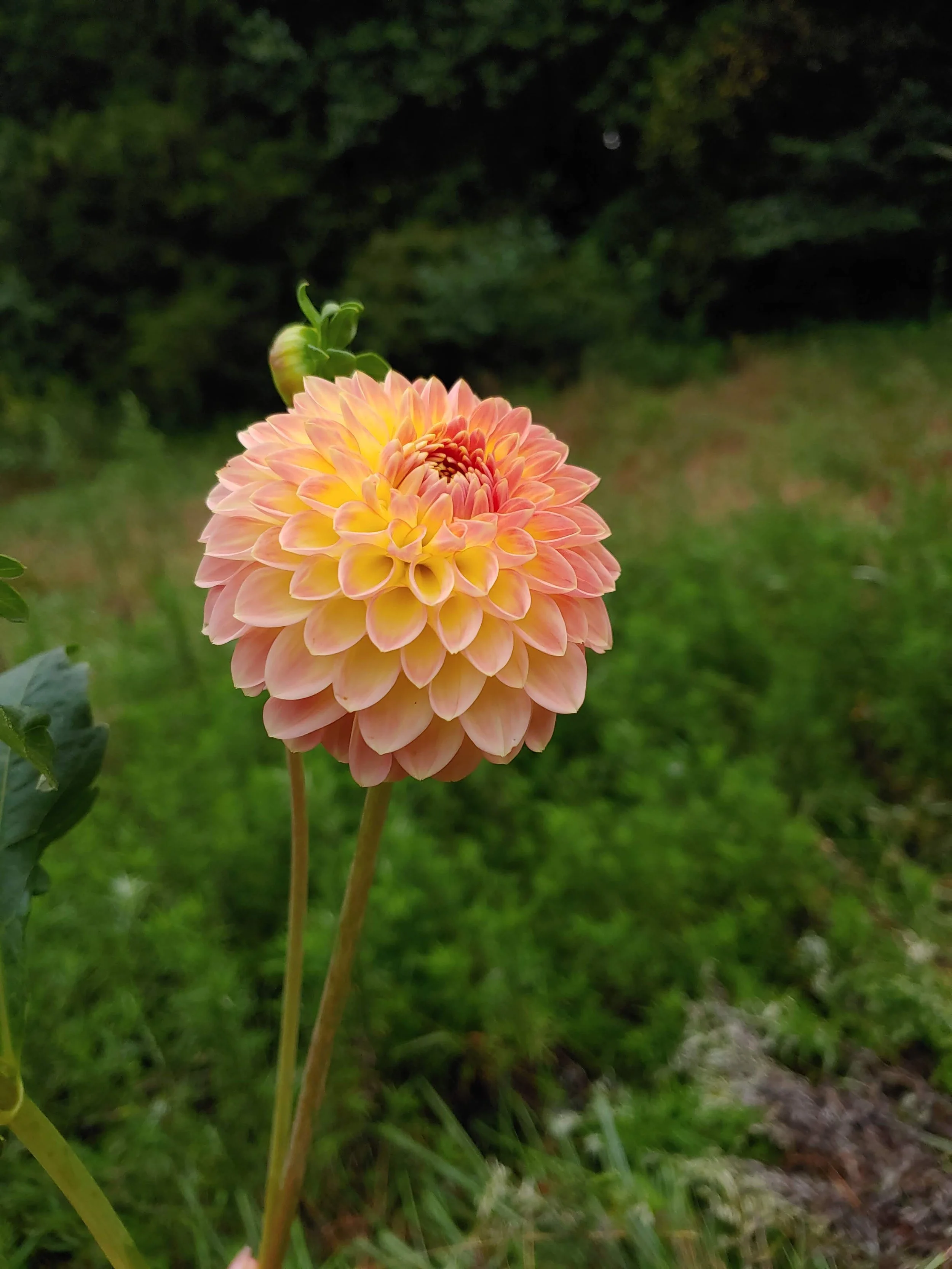
Blyton Softer Gleam
Blyton Softer Gleam: I know this one is well loved by a lot of people but I just can’t get into her. She doesn’t often look like this picture. A lot of her blooms seem to show a hard yellow center and she’s not as productive as I like. Plus there are a lot of other dahlias that have a similar look so off to find one that’s more productive for me.

Bracken Sarah
Bracken Sarah: If she always looked like this, I’d keep her. But in my hot climate, she only has this look the last week or two of the season. She’s usually way more yellow than shown. Also she’s been a mid to late season bloomer the past two years. She might get a spot in my personal collection. But I think she’s more of a cool climate dahlia.

Hillcrest Suffusion
Hillcrest Suffusion: Once again- another variety that just doesn’t quite cut it for a hot climate. Unfortunately I don’t take a lot of pictures when the dahlias don’t look their best. But often, I get a hard yellow center on this one until the weather cools. There are also a lot of other coral dahlias so off to cooler climates she goes!

Maarn
Maarn: This is a good dahlia and I didn’t have any plans of cutting this one until I was shipped a mislabel by my wholesaler this spring. I ordered Pink Sylvia but was shipped Sylvia and by the time I realized it, Pink Sylvia was unavailable. Well I live in the land of lots of orange dahlias needed for sporting events so I decided to plant Sylvia anyways. And what do you know— I like it better than Maarn. Sylvia is a bit earlier, a little taller too. Productivity is about the same and if you put them side by side- you can’t tell much difference on the blooms. But I think I’ll give Sylvia a go for a few years.

Chilson’s Pride
Chilson’s Pride: I want to like this dahlia because she’s a good producer but she’s just so gosh darn it— Barbie Pink! She’s just too sugary sweet looking for me. Can’t get into her. It’s purely a taste thing on her- just not my thing. But if you like the look of her- go for it because she’s a great dahlia!

Golden Sceptor
Golden Scepter: I know this one is popular with a lot of people- that’s one reason I tried it. I’ve been trying to love it for 4 years now but it’s just not happening! It’s usually kinda’ messy looking and you have to cut it early to get a decent shape out of it. It’s also kinda’ small- If I could have it bigger and same color-that would be perfect! I also think it does better in a cooler climate. If you have recommendations for the same color but larger bloom, send them my way.
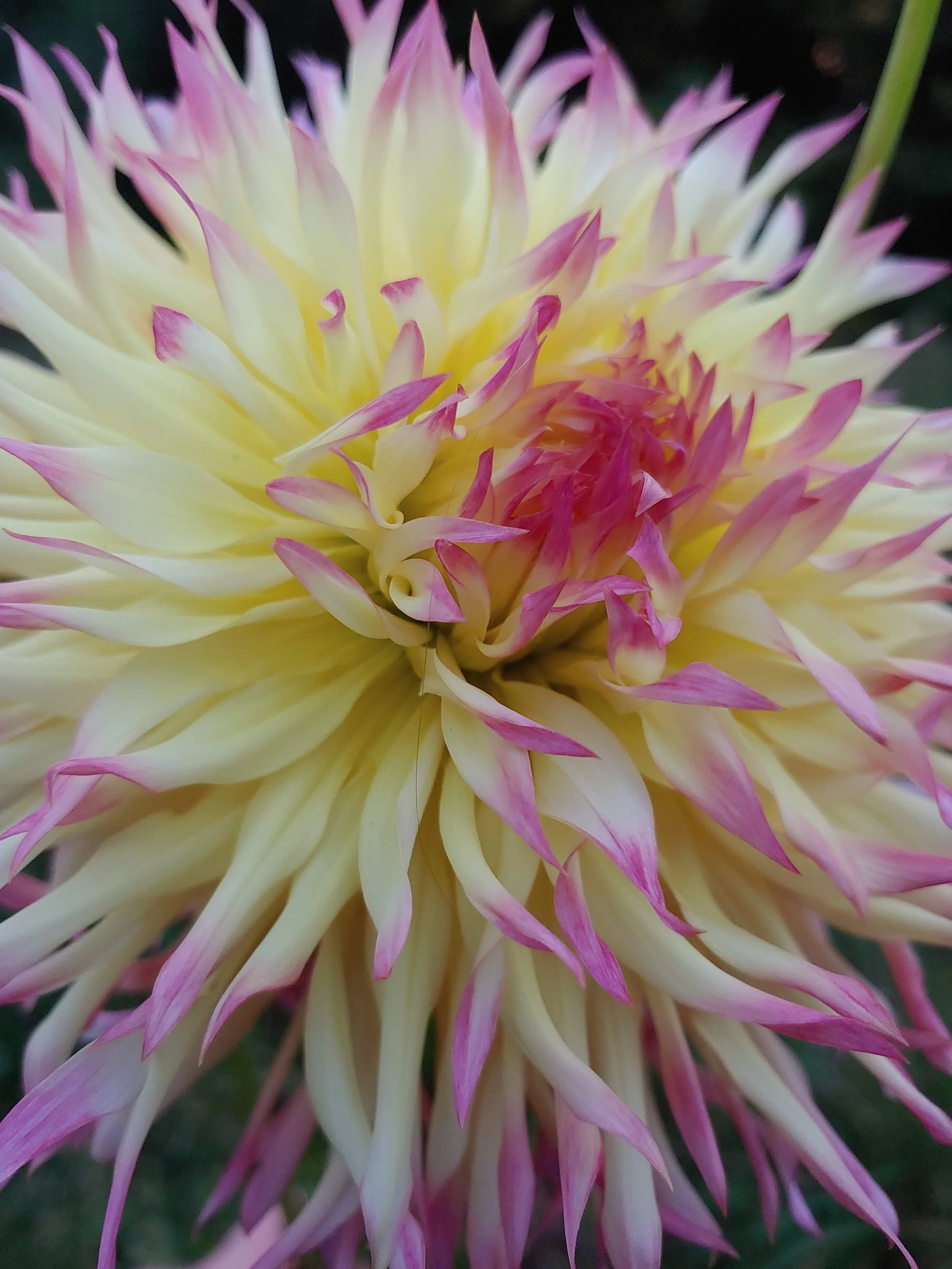
Hapet Perfekt
Hapet Perfekt- Being a cut flower production farm means we don’t grow a lot of the dinnerplate size dahlias. So to keep one, it’s has to be amazing. This one is reasonably productive and definitely has wow factor. But to be honest, I just wasn’t digging the yellow and pink tip look. Just didn’t overwhelm me.
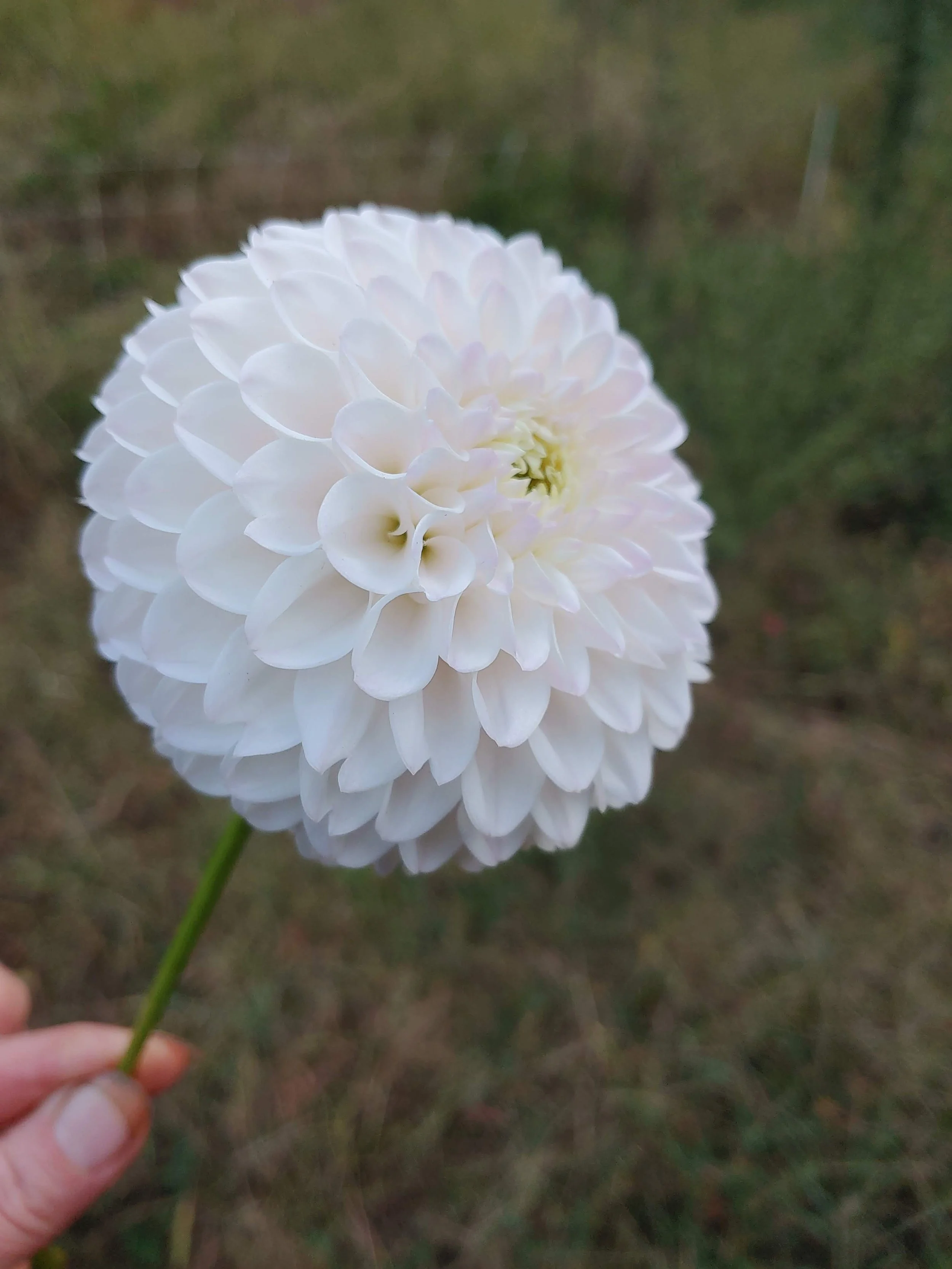
Pink Pearl
Pink Pearl- Ok- I’m gonna say it: “I can’t stand this dahlia!” She annoyed me all season. Short growth habit and showed an open center for all but one week of the season. There was one week in the middle of September that she looked great but that was it. I think this one is definitely a cool climate beauty. I see pictures from farms north of here and she looks great. There are better options for blush dahlias in the South.
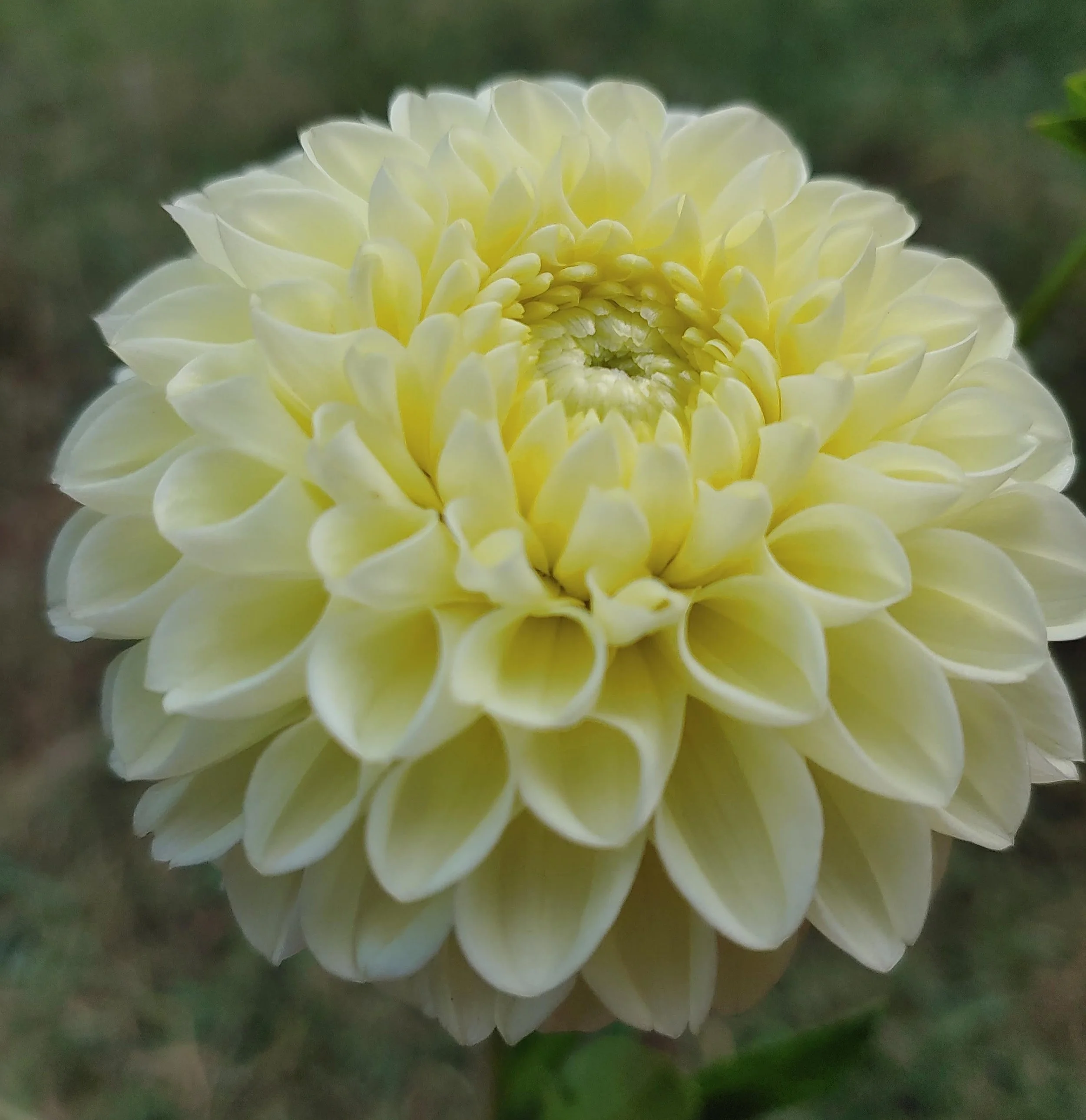
Polyventon Supreme
Polyventon Supreme: I’ve grown this dahlia on and off for years. I want to like her but she’s just a little too bright. I can’t sell the color. I need a softer yellow. But other than color- she’s great. Prolific, sturdy, makes great tubers, good size, good vase life. Kind of a shame but if you can sell that shade of yellow- go for it!

Wyn’s Ghostie
Wyn’s Ghostie: I chose this one to try for a new larger white dahlia but I think once again, it’s not a great hot climate dahlia. The center wouldn’t close up well for me. Maybe if it were harvested later but we tend to cut large dahlias on the tighter side because they get a better vase life that way. So if you live in a cooler climate and grow dahlias just for fun- this might be a keeper for you.
So there you have it- 10 varieties that didn’t make the cut. There will probably be more. I’ve got to whittle the collection further. Who didn’t make your cut this year? Let me know here!
Dahlia Tuber Sale happening soon— Make sure you are signed up for the Dahlia Lovers Newsletter for all the details!